Research
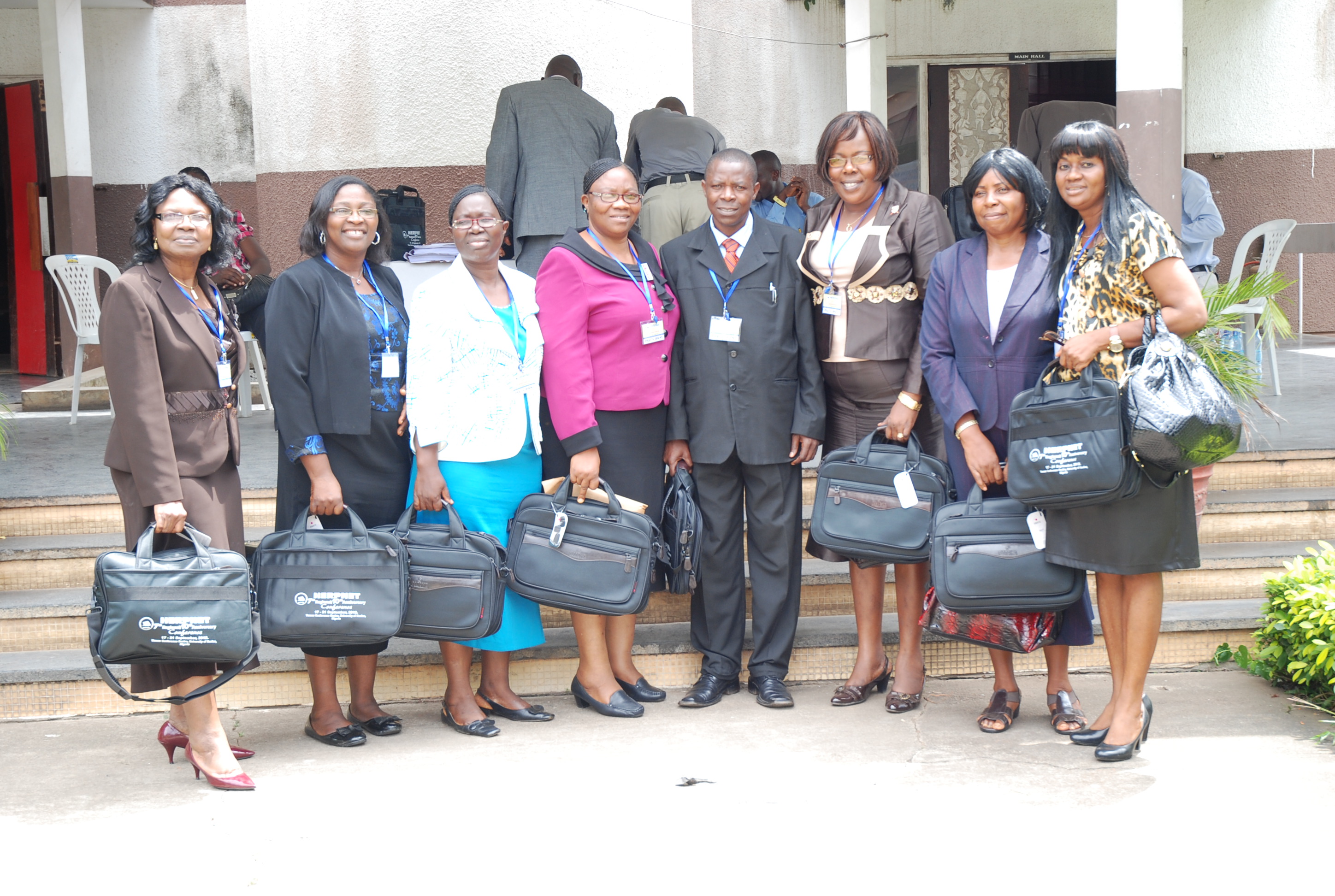
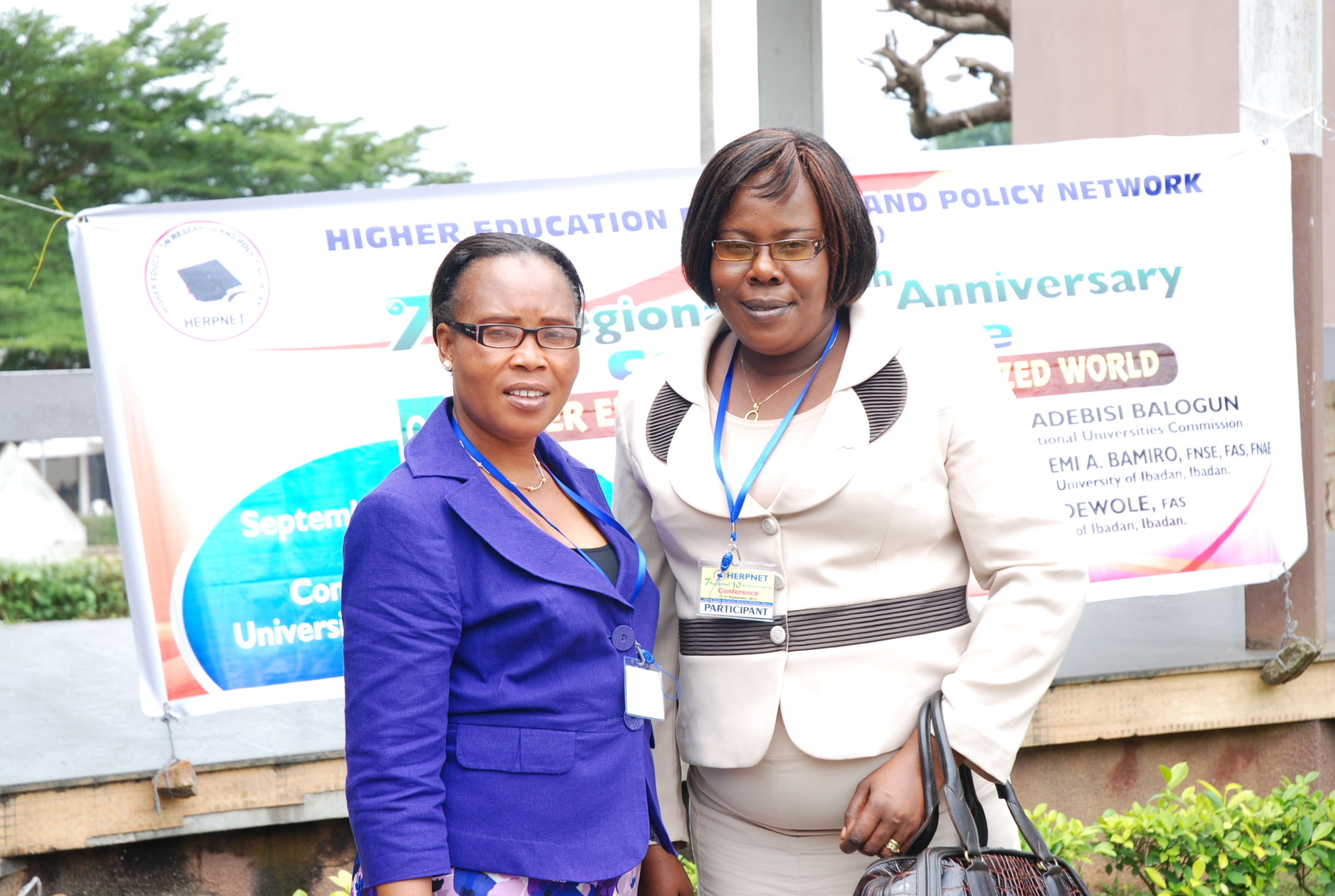
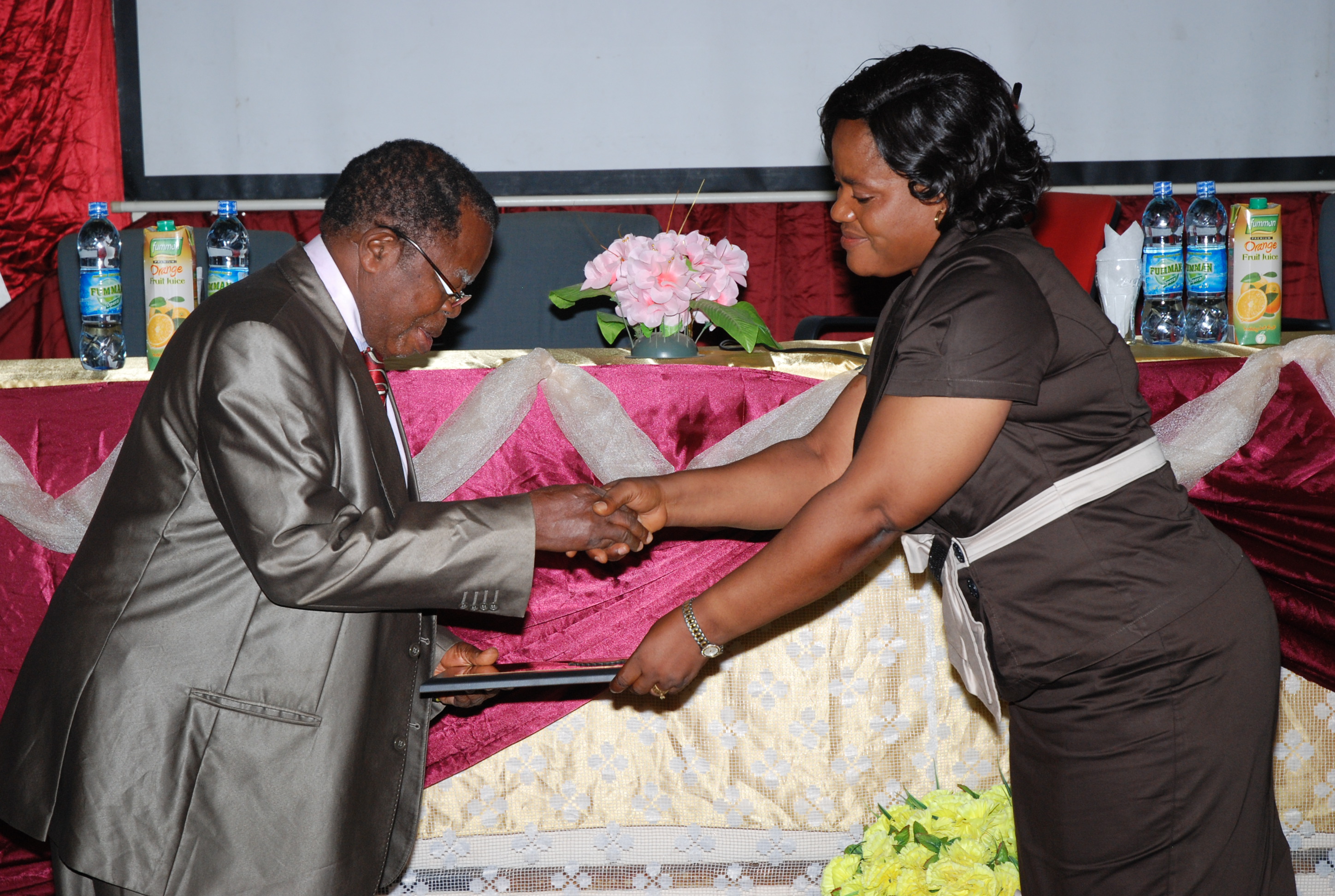
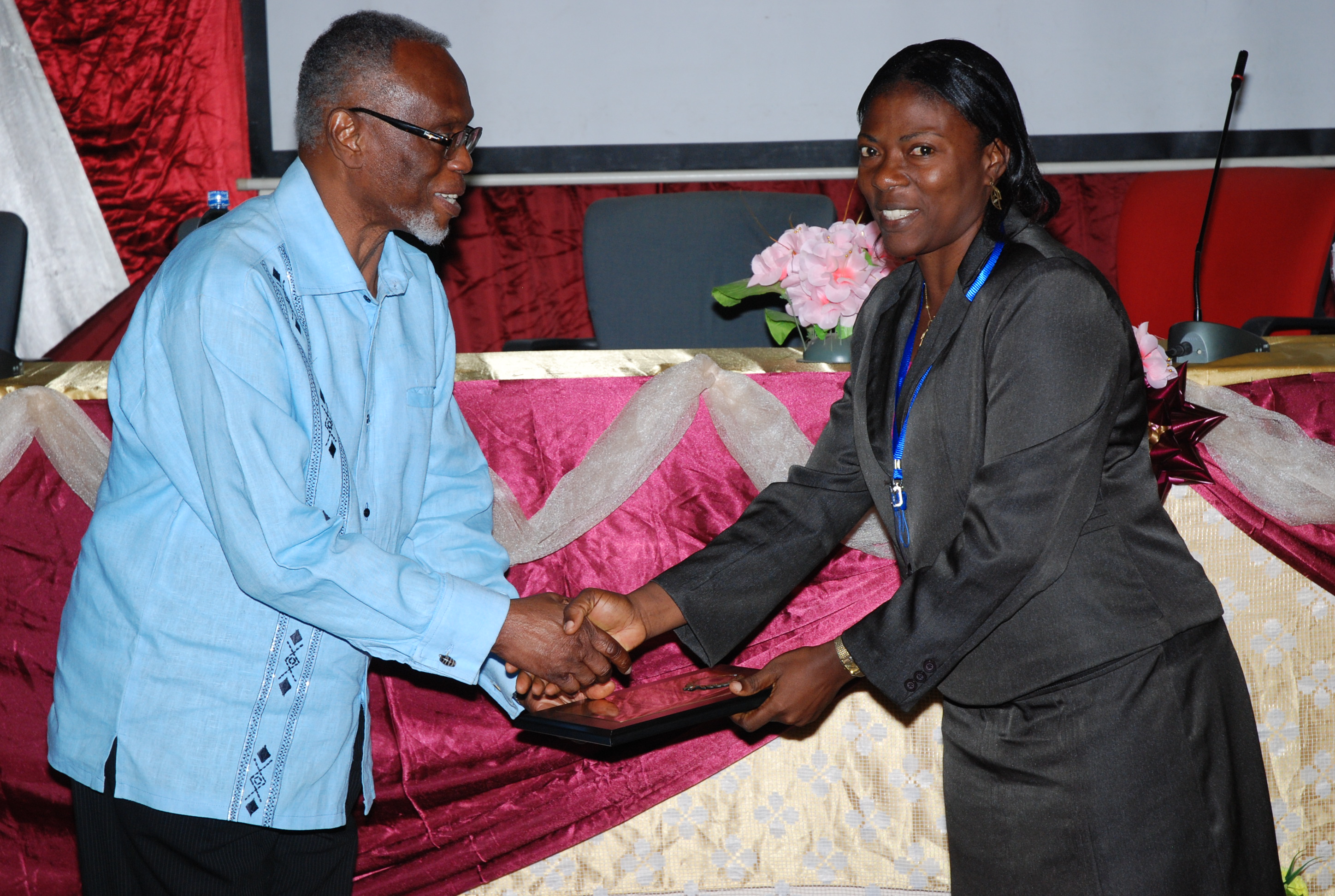
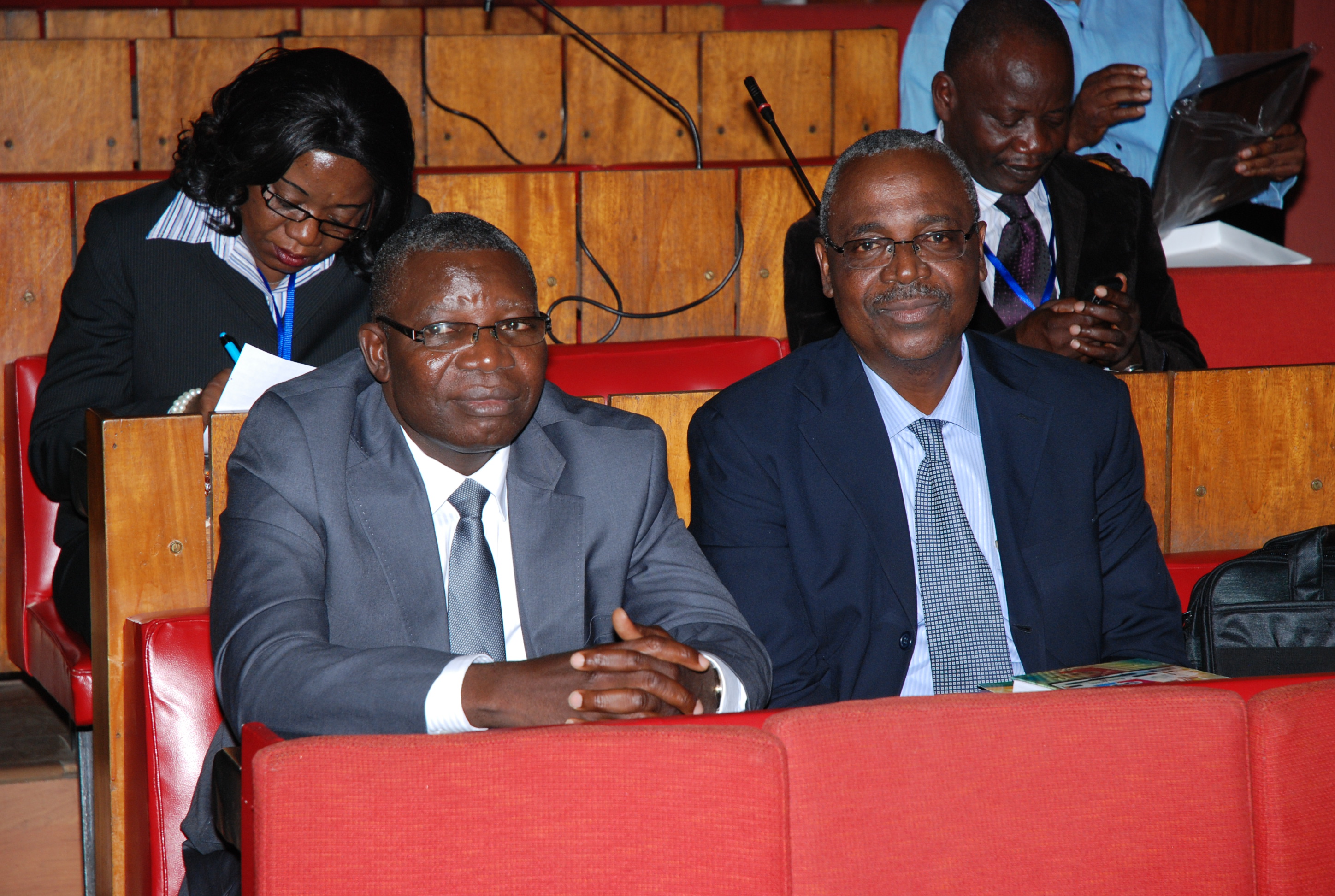
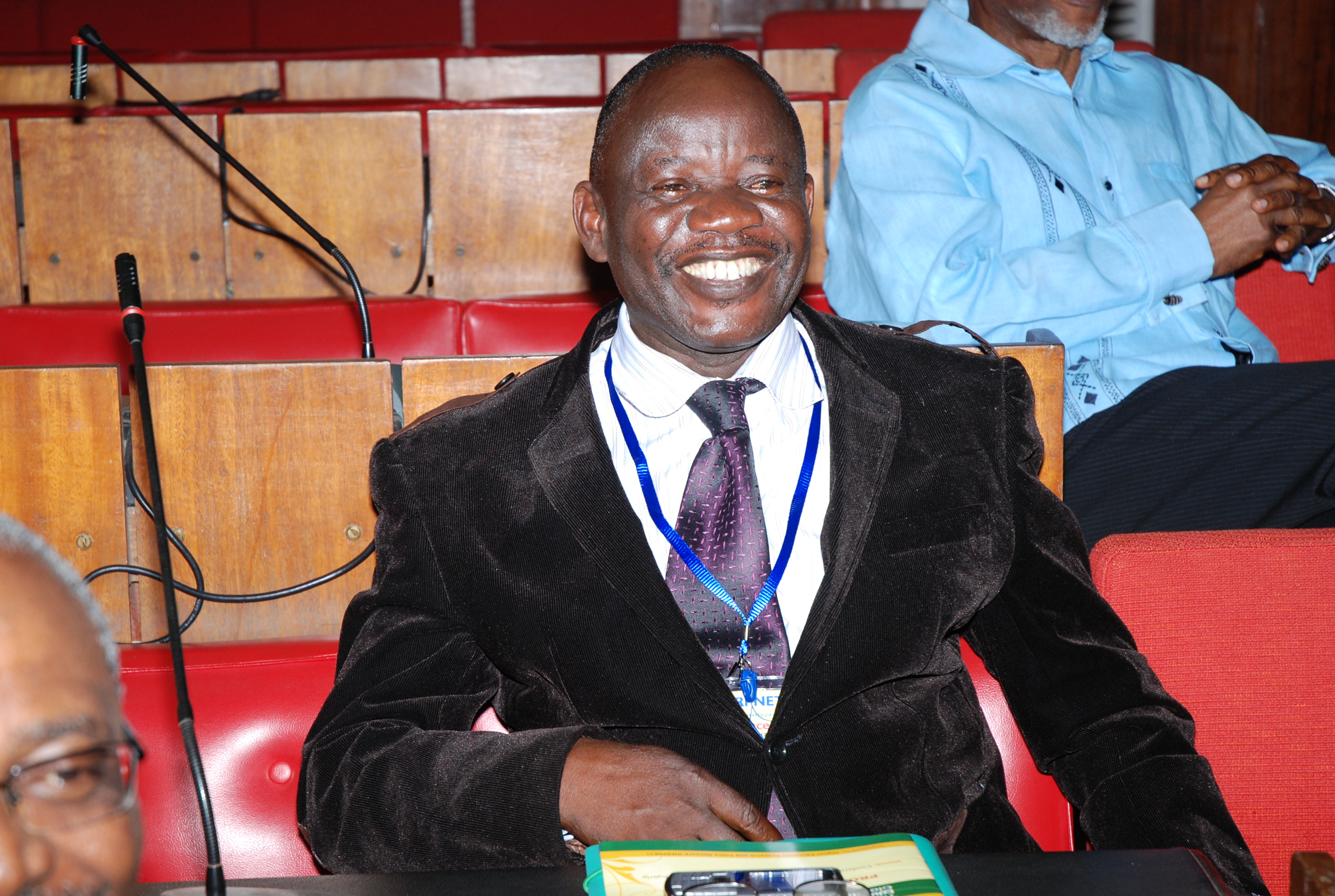
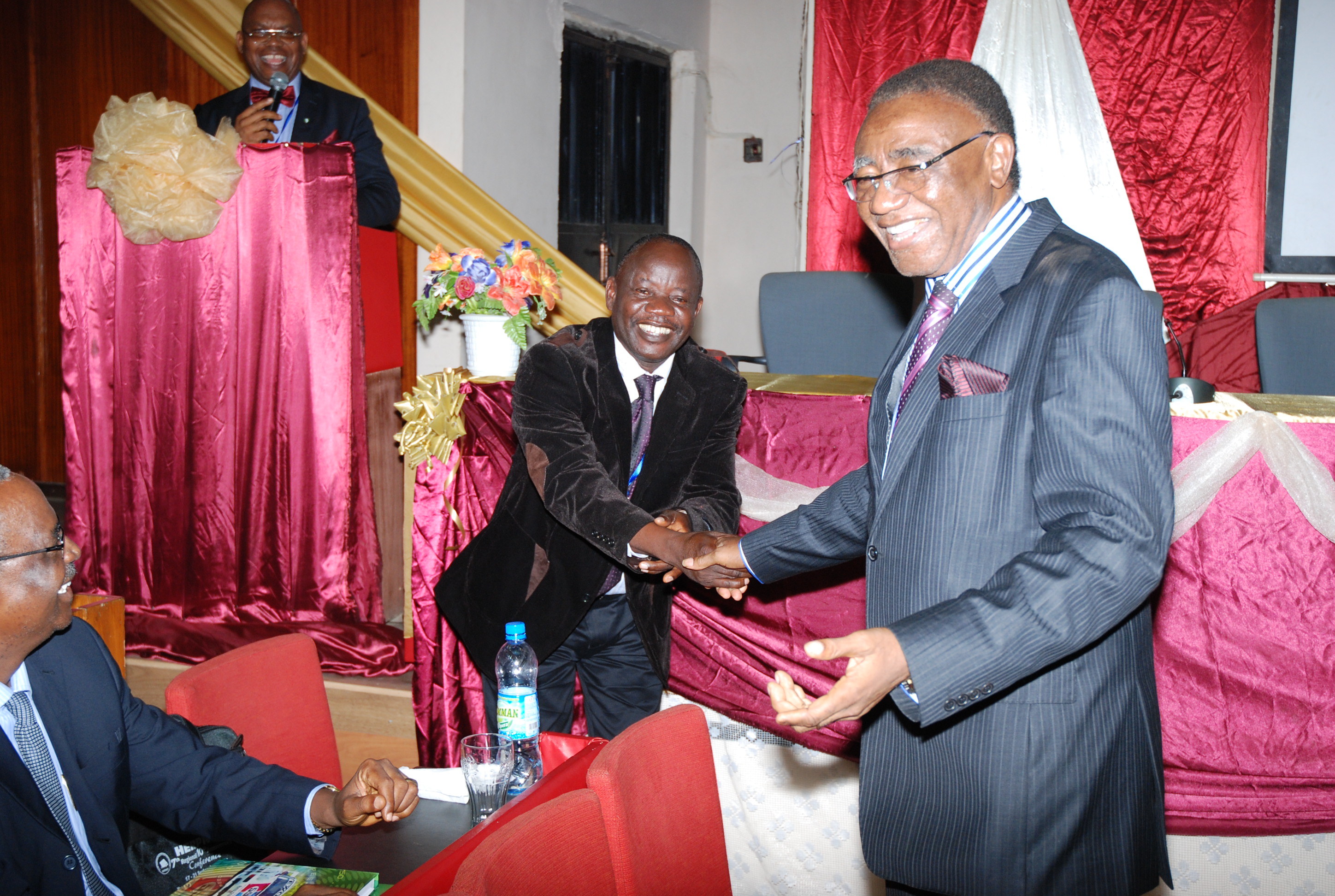
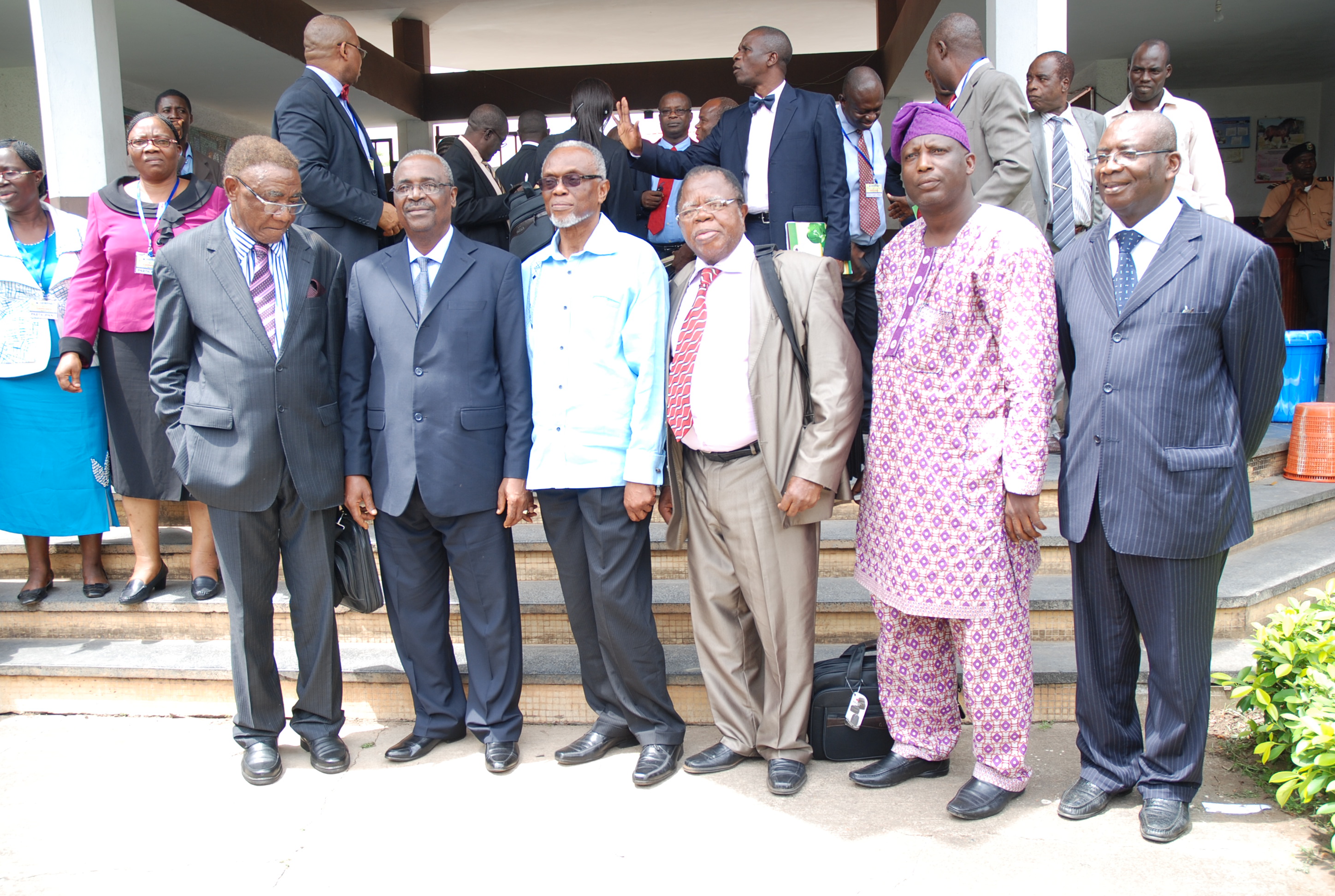
Our activity include networking workshops (conferences), information sharing and engagement in collaborative policy research.
An initiative of the Association of African Universities (AAU) founded in 2000 to transform higher education research and policy.
The Higher Education Research and Policy Network (HERPNET) is an initiative of the Association of African Universities (AAU). It was founded in 2000 following a research meeting at the Human Science Research Council (HSRC) held in Pretoria, South-Africa. Since then, the Network has made several efforts to launch itself out, especially in Nigeria.
Its first Regional Conference took place in August 2002 at the University of Ibadan, Nigeria. It was primarily to make research results on higher education conducted under the AAU study programme available to policy makers in Nigeria and other African countries.
AAU, under the then Secretary-General, Professor Akilagpa Sawyerr, sponsored a researcher, Dr. James L. Letukka from Free State University, South Africa to represent the AAU at this historic workshop. The proceedings of the first conference have been published and now appear on AAU's website.
Several other regional conferences have been held since then across the African continent.

“It may interest you to note that our efforts have led to the establishment of HERPNET’s chapters in Kenya, Uganda, Ghana and South Africa.”
HERPNET has grown from its inaugural 2002 workshop into a trusted pan-African research network. We believe that sustainable continental development is underpinned by quality, evidence-based higher education policy. By linking universities, regional bodies, and individual scholars, the network bridges the gap between academic findings and policy decisions across Africa.

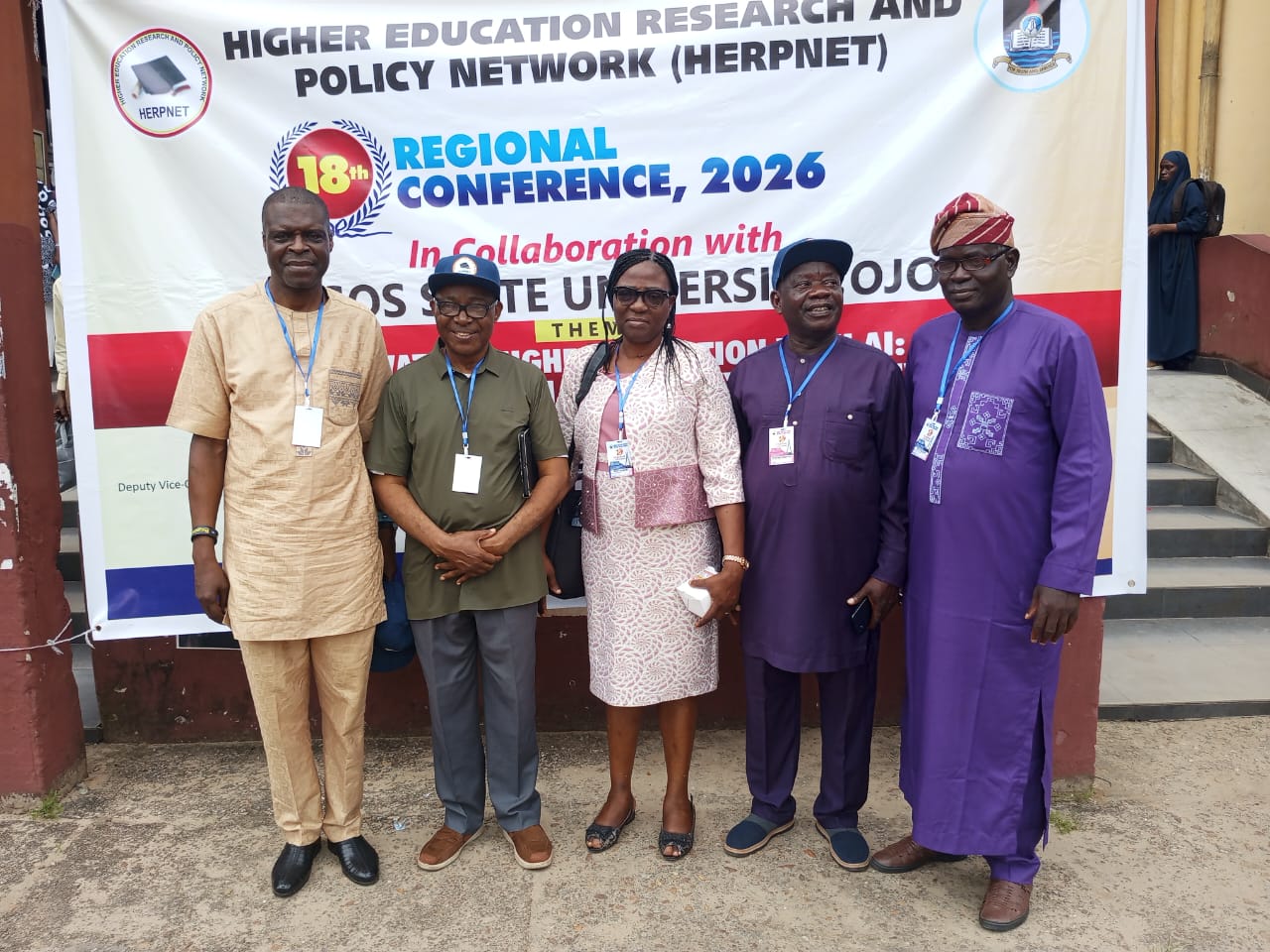
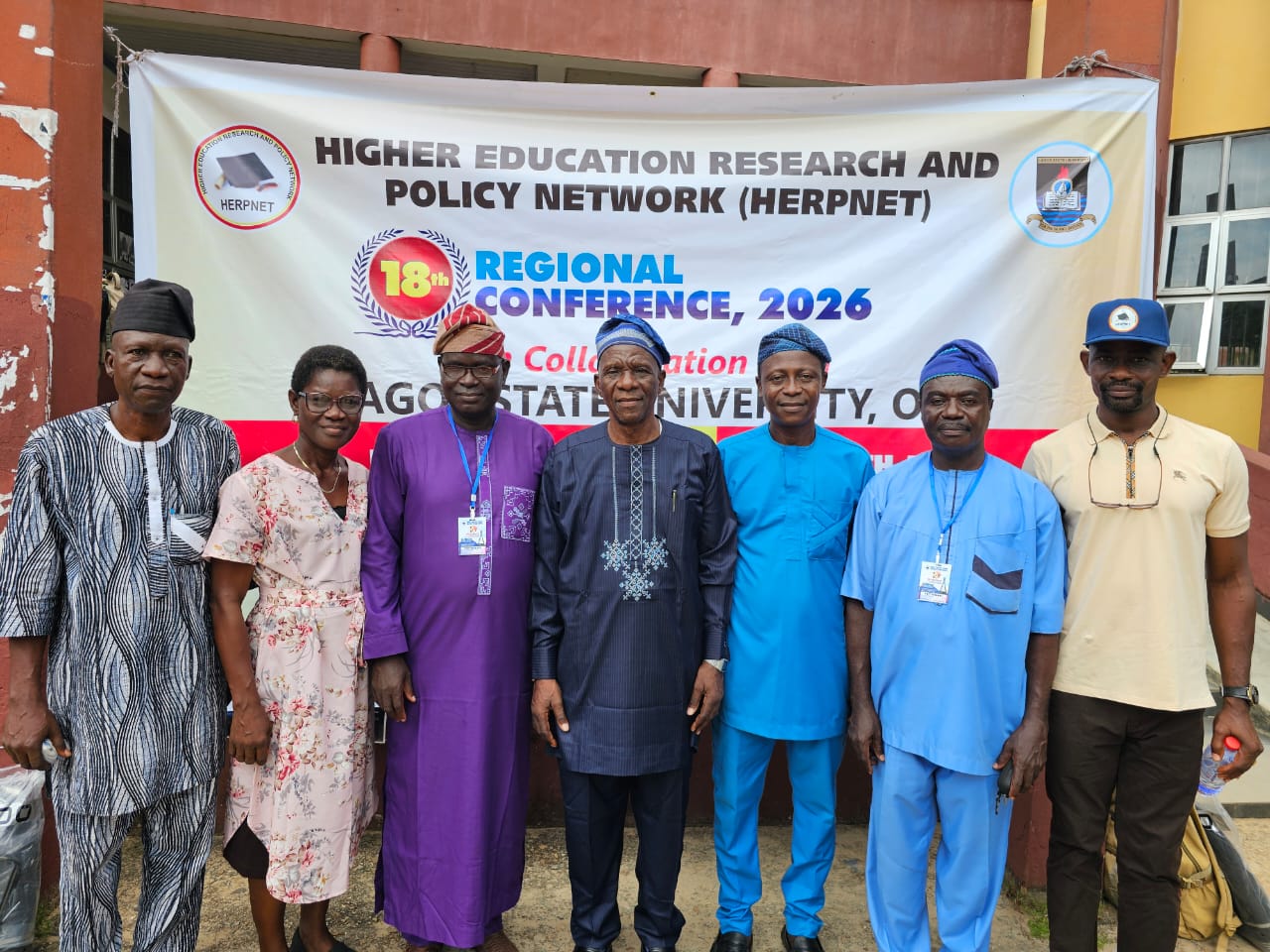

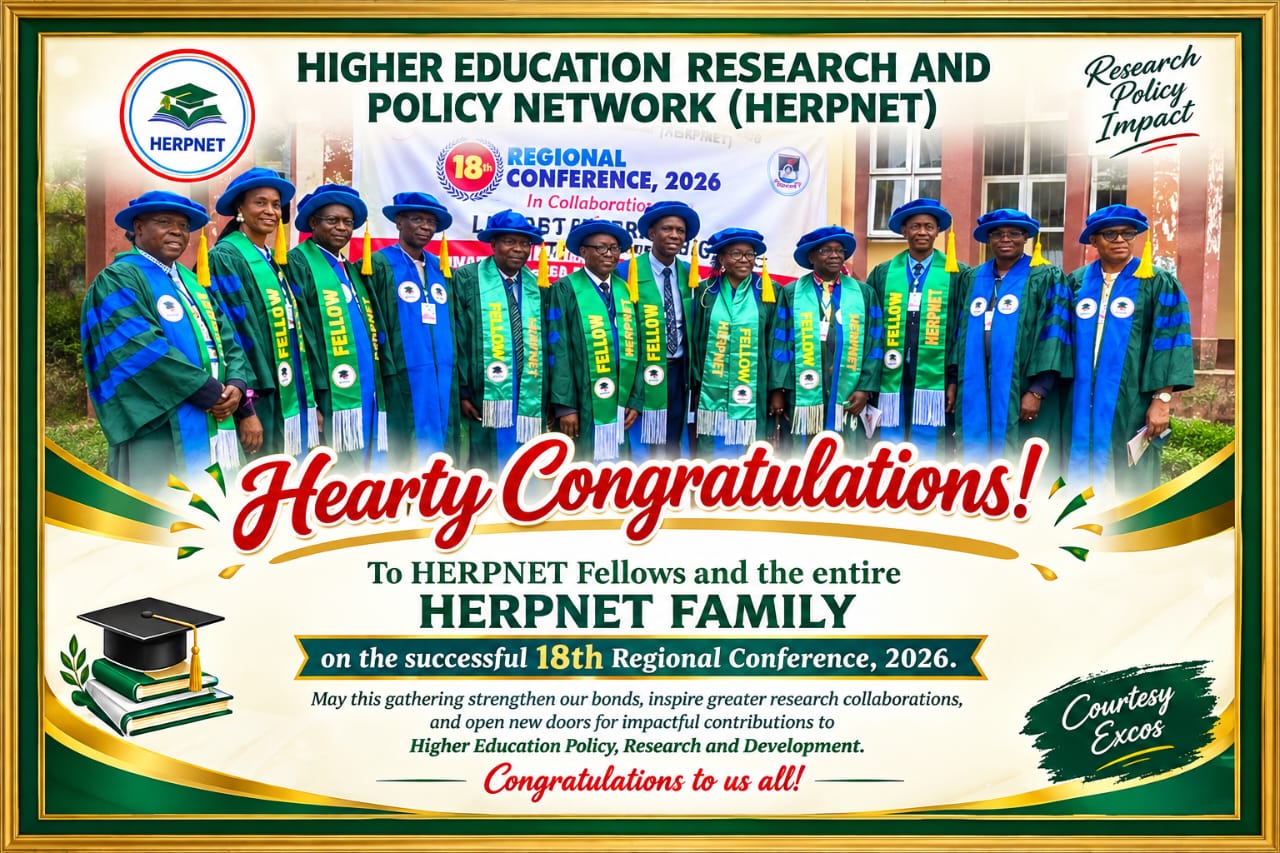
To be the leading pan-African network driving evidence-based research and transformative policy in higher education.
Connecting scholars, administrators, and policymakers to strengthen higher education institutions across Africa through rigorous research and policy advocacy.
Six core pillars that define HERPNET's work and impact across African higher education.
Our activity include networking workshops (conferences), information sharing and engagement in collaborative policy research.
To make research results on higher education conducted under the AAU study programme available to policy makers in Nigeria and other African countries. AAU
To influence policies on higher education along directions suggested by proven scientific theories and evidences of sound practices.
Publishing peer-reviewed journals, monographs, and academic publications that disseminate cutting-edge research across the continent.
Developing visionary leadership and governance capacity to strengthen institutional excellence across African universities.
The Network is dedicated to creating, harvesting, preserving, propagating and promoting scientific knowledge that would help in transforming institutions of higher education in Africa, to internationally recognized ones in a knowledge-based society.
Meet the dedicated professionals steering HERPNET's mission across Africa.

HERPNET Board of Directors
View Profile →
HERPNET Executive Committee
View Profile →
HERPNET Executive Committee
View Profile →
HERPNET Executive Committee
View Profile →
HERPNET Executive Committee
View Profile →
HERPNET Executive Committee
View Profile →
HERPNET Executive Committee
View Profile →
HERPNET Executive Committee
View Profile →
HERPNET Executive Committee
View Profile →
HERPNET Executive Committee
View Profile →
HERPNET Executive Committee
View Profile →
HERPNET Board of Directors
View Profile →
HERPNET Board of Directors
View Profile →
HERPNET Board of Directors
View Profile →
HERPNET Board of Directors
View Profile →
HERPNET Steering Committee
View Profile →
HERPNET Steering Committee
View Profile →
HERPNET Steering Committee
View Profile →HERPNET Steering Committee
View Profile →
HERPNET Steering Committee
View Profile →HERPNET Steering Committee
View Profile →Collaborating with leading universities, policy institutes, and research bodies across the continent.
Join hundreds of scholars, researchers, and higher-education leaders across Africa shaping evidence-based educational policy.